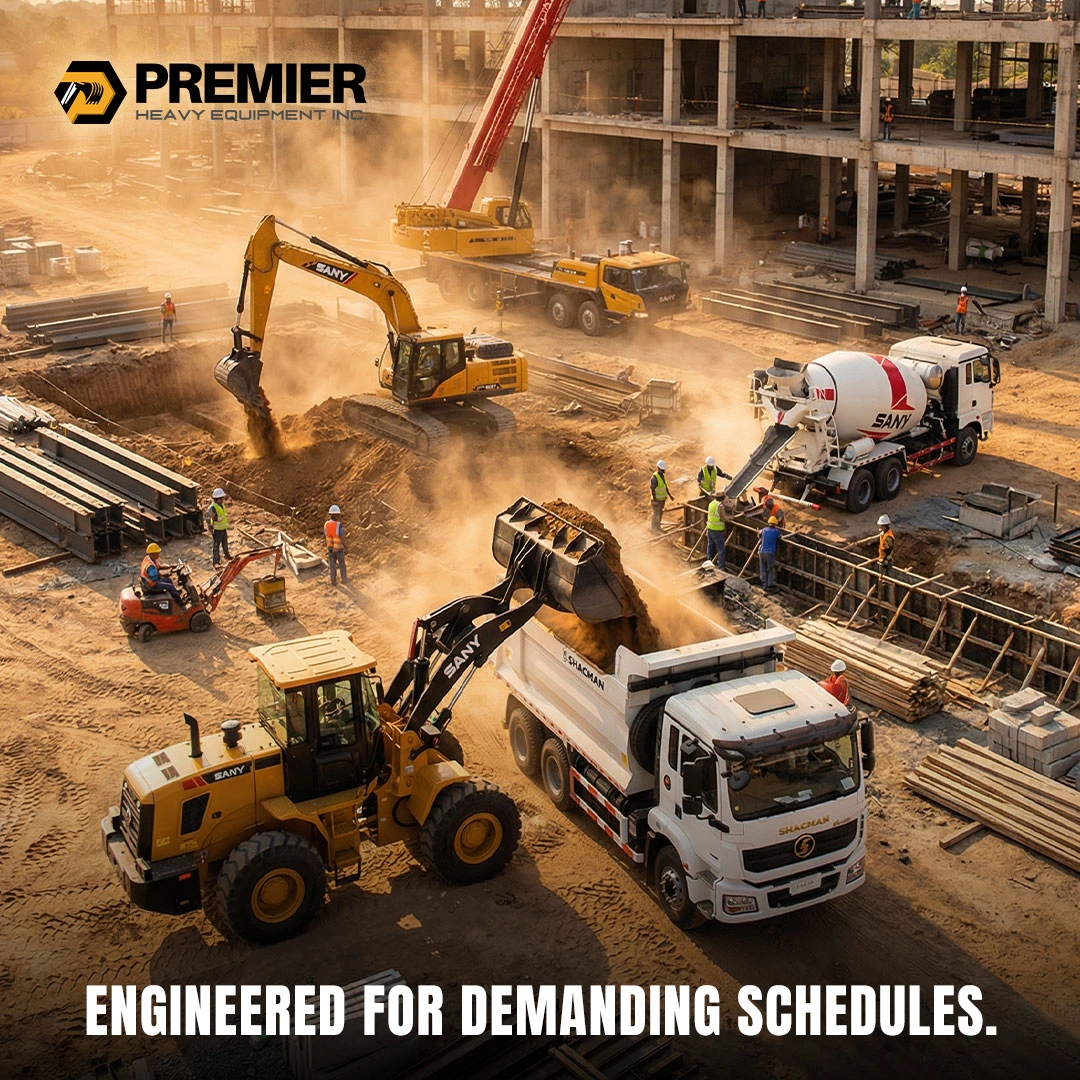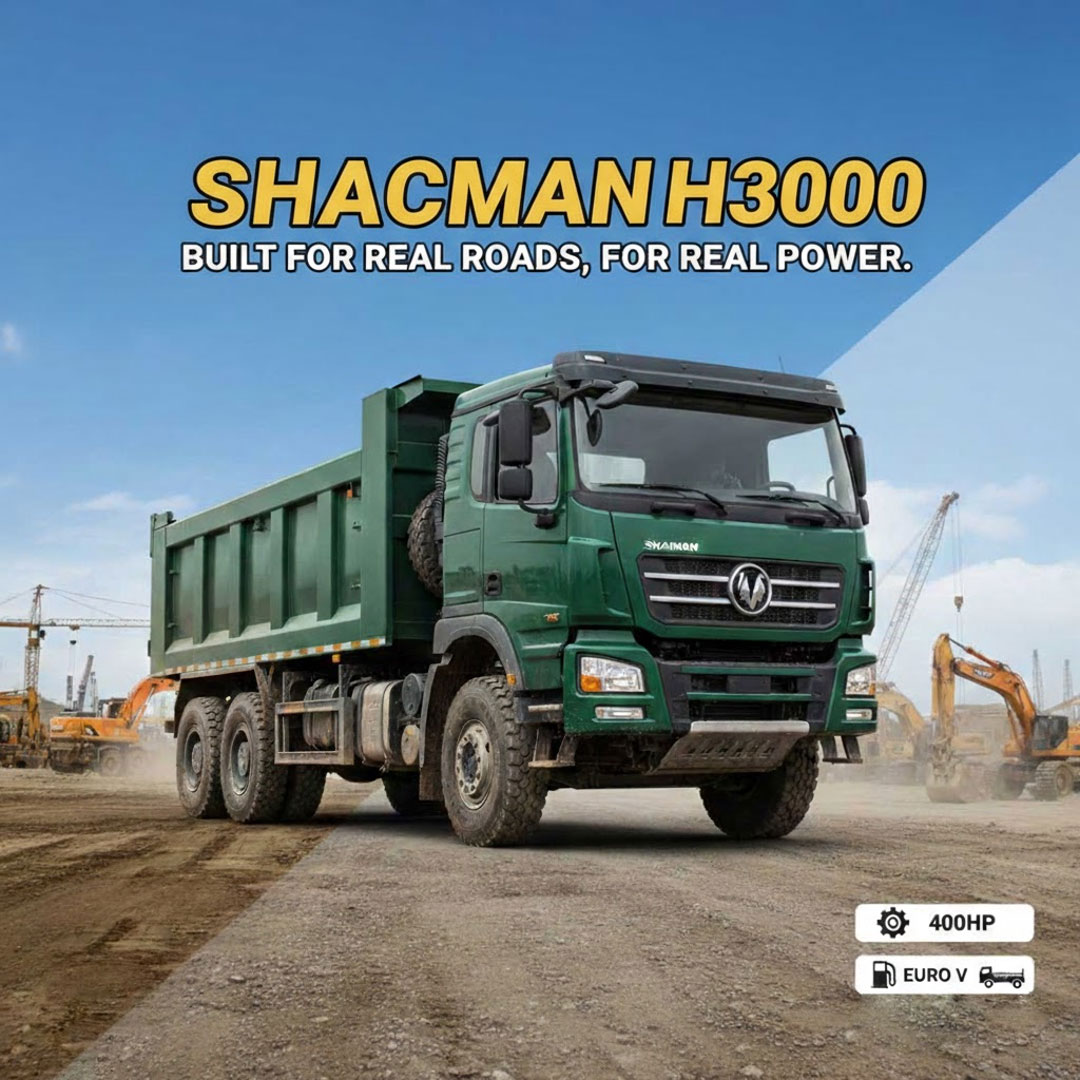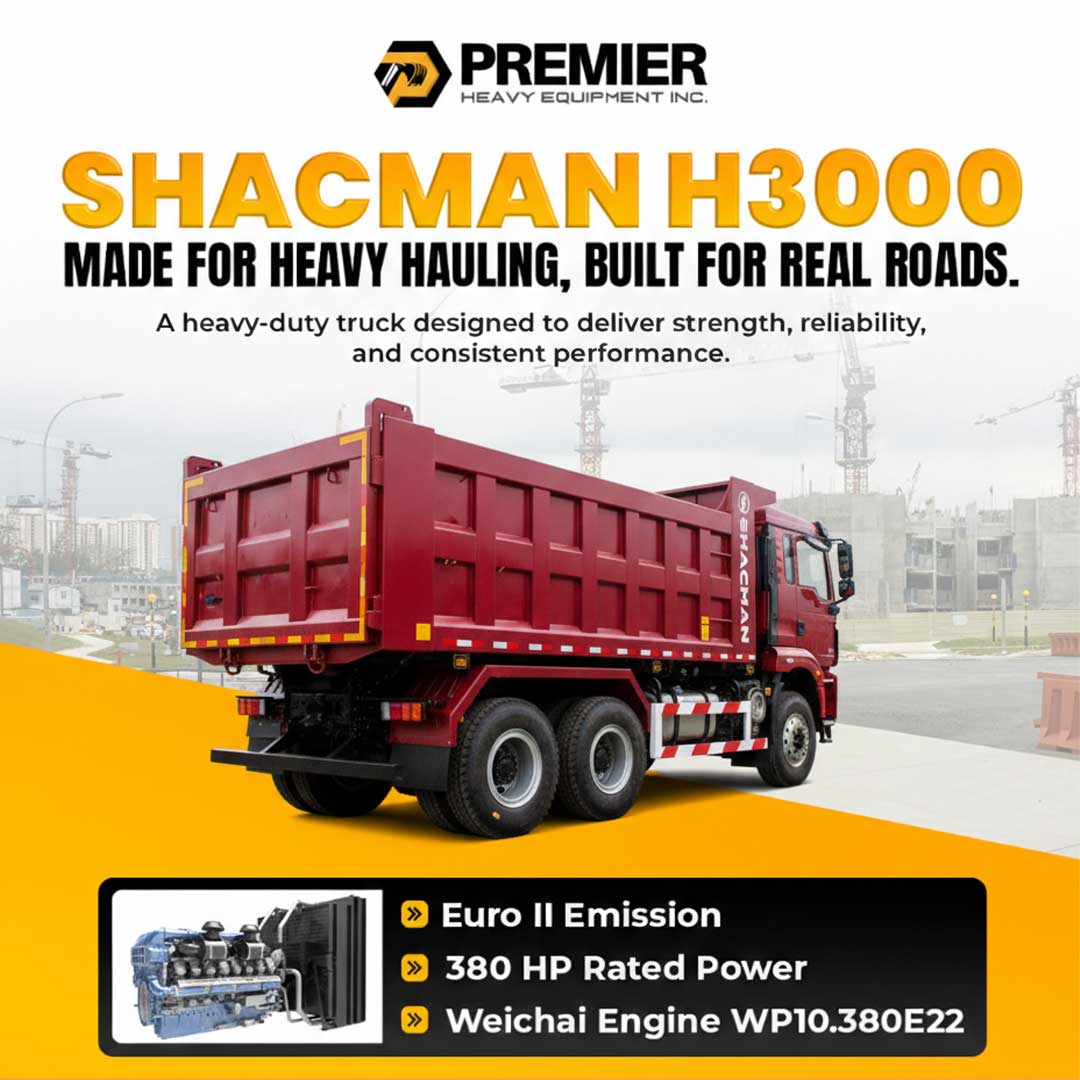

The Philippine heavy equipment industry is experiencing unprecedented transformation as infrastructure development accelerates nationwide and technological innovation reshapes construction practices. Understanding heavy equipment market trends Philippines has become crucial for contractors, investors, and industry professionals navigating this dynamic landscape of opportunity and growth.
With the government’s ambitious “Build, Build, Build” program continuing to drive massive infrastructure investments and private sector construction booming across Metro Manila, Cebu, and Mindanao, the heavy equipment market in the Philippines presents compelling opportunities for businesses ready to capitalize on emerging trends.
Philippine Heavy Equipment Market: Current Landscape Analysis
The heavy equipment market trends Philippines reflect a robust industry positioned for sustained growth. According to recent Asian Development Bank reports, the Philippine construction equipment market has grown by an average of 12% annually over the past three years, significantly outpacing regional averages and demonstrating the sector’s resilience and potential.
This growth trajectory is driven by several converging factors: accelerated infrastructure spending, urbanization pressures, mining sector expansion, and the modernization of construction practices across the archipelago. The market has evolved from basic equipment procurement to sophisticated technology-driven solutions that emphasize efficiency, sustainability, and digital integration.
Market Size and Segmentation
The Philippine heavy equipment market, valued at approximately PHP 180 billion in 2024, is segmented across several key categories:
Construction Trucks and Transport (25% market share): Including concrete mixers, dump trucks, and specialized transport vehicles supporting construction logistics.
Driving Forces Behind Market Growth
Heavy equipment market trends Philippines are shaped by multiple growth drivers that create sustained demand across different sectors:
Infrastructure Development Acceleration
The continuation of major infrastructure programs has created unprecedented demand for heavy equipment. Key projects driving market growth include:
Private Sector Construction Boom
Beyond government infrastructure, private sector construction continues to fuel heavy equipment market trends Philippines:
Technology Integration Transforming Market Dynamics
Heavy equipment market trends Philippines increasingly reflect the integration of advanced technology that’s reshaping how equipment is selected, operated, and maintained:
Digital Equipment Solutions
Modern heavy equipment buyers in the Philippines prioritize technology-enabled solutions that deliver measurable performance improvements. Premier Heavy Equipment has observed increasing demand for Sany equipment featuring:
IoT Connectivity: Real-time monitoring and diagnostics that enable predictive maintenance and optimize operational efficiency.
GPS Integration: Precision guidance systems that improve accuracy while reducing material waste and operational costs.
Telematics Systems: Comprehensive fleet management capabilities that provide visibility into equipment utilization, fuel consumption, and performance metrics.
Mobile Integration: Smartphone and tablet connectivity that enables remote monitoring and control of equipment functions.
Automation and AI Integration
Advanced automation features are becoming standard expectations rather than premium options in the Philippine market:
Semi-Autonomous Operation: Equipment that can perform routine tasks with minimal operator intervention, improving consistency and safety.
Intelligent Load Management: Systems that automatically optimize equipment performance based on working conditions and load requirements.
Predictive Analytics: AI-powered systems that analyze operational data to recommend optimization strategies and maintenance schedules.
Regional Market Variations and Opportunities
Heavy equipment market trends Philippines vary significantly across different regions, creating distinct opportunities for equipment suppliers and contractors:
Luzon Market Dynamics
The Luzon market, anchored by Metro Manila, represents approximately 60% of national heavy equipment demand:
Urban Infrastructure: Ongoing urban development and transportation improvements drive consistent excavator and construction equipment demand.
Industrial Expansion: Manufacturing growth in Central Luzon creates demand for specialized material handling and construction equipment.
Port Development: Expansion of port facilities requires specialized marine construction equipment and heavy-lift capabilities.
Visayas Regional Trends
The Visayas region, led by Cebu’s economic growth, presents unique market characteristics:
Tourism Infrastructure: Resort and hospitality development creates steady demand for construction equipment with emphasis on environmental sensitivity.
Inter-Island Connectivity: Bridge and ferry infrastructure projects require specialized construction equipment capable of marine environments.
Manufacturing Growth: Electronics and textile manufacturing expansion drives industrial construction equipment demand.
Mindanao Growth Markets
Mindanao represents the fastest-growing regional market for heavy equipment, driven by:
Agricultural Modernization: Mechanization of agriculture and agribusiness infrastructure development create diverse equipment needs.
Mining Sector Growth: Responsible mining operations require advanced, environmentally compliant heavy equipment solutions.
Regional Development: Government-led regional development initiatives drive infrastructure equipment demand across various sectors.
Equipment Financing and Ownership Trends
Heavy equipment market trends Philippines reflect evolving approaches to equipment acquisition and financing:
Lease-to-Own Programs: Allowing businesses to access modern equipment while preserving capital for other operational needs.
Seasonal Financing: Payment structures that align with project cash flows and seasonal construction patterns.
Technology Upgrade Programs: Financing solutions that enable regular equipment updates to maintain technological competitiveness.
Equipment-as-a-Service Models
Progressive companies are exploring service-based equipment models that provide:
Predictable Operating Costs: Monthly service fees that include equipment, maintenance, and support for improved budget planning.
Technology Access: Access to latest equipment technology without large capital investments.
Risk Mitigation: Service providers assume responsibility for equipment performance and maintenance, reducing client risk.
Real-World Market Success Stories
Brand Preferences and Market Leadership
Heavy equipment market trends Philippines reveal distinct preferences for equipment brands that combine reliability, technology, and local support:

Quality and Reliability Priorities
Philippine contractors increasingly prioritize equipment that delivers consistent performance in challenging tropical conditions:
Durability Standards: Equipment must withstand high humidity, temperature variations, and demanding operating conditions across diverse project sites.
Maintenance Accessibility: Preference for equipment with straightforward maintenance requirements and readily available parts and service.
Proven Performance: Track record of successful operation in Philippine conditions becomes a critical selection criterion.

Technology Integration Expectations
Modern buyers expect equipment that integrates seamlessly with digital project management systems:
Data Connectivity: Equipment that provides actionable operational data for project optimization and cost control.
Remote Monitoring: Capability for off-site monitoring and diagnostics to minimize downtime and maintenance costs.
Software Integration: Compatibility with popular project management and fleet management software systems.

Local Support Requirements
The importance of local support infrastructure cannot be overstated in equipment selection decisions:
Service Network: Comprehensive service coverage across the Philippines, including remote and island locations.
Parts Availability: Reliable parts inventory and distribution ensuring minimal equipment downtime.
Technical Expertise: Local technicians trained on specific equipment systems and capable of complex diagnostics and repairs.
Premier Heavy Equipment addresses these market requirements through comprehensive Sany equipment support including nationwide service networks, extensive parts inventory, and certified technical training programs.
Environmental and Sustainability Trends
Heavy equipment market trends Philippines increasingly reflect environmental consciousness and sustainability requirements:
Emission Compliance Standards
Euro Stage Standards, Fuel Efficiency, Noise Reduction
Sustainable Construction Practices
Material Recycling, Energy Efficiency, Environmental Monitoring
Economic Factors Shaping Market Trends
Heavy equipment market trends Philippines are significantly influenced by broader economic conditions and policy decisions:
Currency and Import Considerations
Import Cost Fluctuations, Local Assembly Advantages, Financing Currency
Interest Rate Environment
Capital Investment Timing, Lease vs. Purchase Decisions, Project Financing
Supply Chain and Logistics Trends
Heavy equipment market trends Philippines reflect evolving supply chain strategies and logistics considerations:
Local Assembly and Manufacturing
Assembly Operations, Technology Transfer, Economic Benefits
Parts and Service Infrastructure
Distribution Networks, Training Programs, Digital Support
Future Growth Projections and Opportunities
Heavy equipment market trends Philippines point toward sustained growth with specific opportunities for strategic positioning:
Market Growth Forecasts
Infrastructure Investment, Private Sector Expansion, Technology Upgrade Cycles
Emerging Market Segments
Renewable Energy Construction, Smart City Development, Disaster Resilience
Technology Evolution Impact
Electrification, Autonomous Operation, Data Integration
Strategic Considerations for Market Participants
Successfully navigating heavy equipment market trends Philippines requires strategic planning and market positioning:
Investment Timing Strategies
- Market Cycle Awareness
- Technology Adoption
- Geographic Positioning
Partnership and Service Models
- Dealer Relationships
- Service Integration
- Technology Support
Regulatory Environment and Compliance Trends
Heavy equipment market trends Philippines are shaped by evolving regulatory requirements and compliance standards:
Safety Standards Evolution
Workplace safety regulations continue to evolve, influencing equipment selection:
Operator Safety: Enhanced safety features become mandatory for equipment operating in many industrial and construction environments.
Environmental Protection: Equipment must comply with environmental protection standards, particularly for projects near sensitive ecological areas.
Quality Certification: International quality certifications become increasingly important for equipment used in major infrastructure projects.
Import and Trade Regulations
Trade policies and import regulations affect equipment availability and costs:
Tariff Structures: Import duties and tariff policies influence the relative cost competitiveness of different equipment brands and models.
Certification Requirements: Equipment must meet Philippine certification standards for safety, environmental compliance, and operational requirements.
Trade Agreements: International trade agreements can affect equipment costs and availability from different manufacturing countries.
Seizing Heavy Equipment Market Opportunities
The dynamic landscape of heavy equipment market trends Philippines presents compelling opportunities for businesses ready to invest in modern, technology-enabled solutions that meet evolving market requirements.
Premier Heavy Equipment is uniquely positioned to help businesses capitalize on these trends through:
Advanced Sany Equipment: Modern machinery that incorporates the latest technology trends including IoT connectivity, GPS integration, and advanced automation features.
Comprehensive Market Intelligence: Deep understanding of regional market variations and sector-specific requirements across the Philippines.
Flexible Financing Solutions: Financing options that accommodate diverse business needs and market conditions, from startups to established contractors.
Nationwide Support Network: Service and parts support that covers all major markets from Luzon to Mindanao, ensuring operational reliability.
Technology Training: Comprehensive training programs that help operators and managers maximize the benefits of advanced equipment technology.
The convergence of infrastructure investment, technological advancement, and economic growth creates unprecedented opportunities in the Philippine heavy equipment market. Companies that position themselves strategically with modern equipment, comprehensive support, and flexible financing will be best positioned to capture these opportunities.
Contact Premier Heavy Equipment today to discuss how our Sany equipment solutions and market expertise can help your business capitalize on the growing opportunities in the Philippine heavy equipment market. Our team understands both international best practices and local market conditions, ensuring your equipment investments deliver maximum value in this dynamic and growing market.
Premier Heavy Equipment is the Philippines’ trusted partner for heavy equipment market insights and advanced Sany machinery solutions. Visit our homepage to explore our complete equipment lineup and market intelligence services.