In the high-stakes world of global logistics and heavy construction, your truck isn’t just a vehicle—it’s a mobile office, a primary investment, and often, the only thing standing between a profitable month and a financial headache. As we move through 2026, the SHACMAN H3000 continues to hold its ground as one of the most balanced, reliable, and cost-effective heavy-duty trucks on the market.
Whether you’re managing a fleet of fifty in the Philippines, hauling aggregates in South Africa, or moving containers through Central Asia, the H3000 has earned its reputation for a reason. In this deep dive, we’re going to explore every nut and bolt of this machine to see if it truly deserves a spot in your yard.
The Heritage: MAN Technology Meets Modern Engineering
To understand the H3000, you have to understand its DNA. SHACMAN (Shaanxi Automobile Group) didn’t just stumble into success; they built it on a foundation of European engineering.
Through a long-standing technical partnership with MAN (Germany), SHACMAN integrated high-end chassis and axle technology into a platform that is affordable and rugged. The H3000 represents the “sweet spot” of this evolution. While the older F3000 is the “tough-as-nails” veteran and the X3000 is the “tech-forward” flagship, the H3000 is the agile, efficient middle sibling that handles 90% of the world’s heavy-hauling tasks with ease.
Design Evolution for 2026
The 2026 models have seen subtle but significant upgrades. The steel used in the frame is now higher-tensile than ever, reducing the tare weight of the vehicle without sacrificing payload capacity. This means you carry more cargo and less “dead weight,” directly impacting your bottom line.
The "Golden Drivetrain": Why It Matters
In the trucking world, the “Golden Drivetrain” is a term often used to describe the perfect synergy of engine, transmission, and axle. For the SHACMAN H3000, this triad consists of Weichai (or Cummins) engines, FAST transmissions, and Hande axles.
Engine Options: Powering the Beast
The H3000 typically offers two main engine paths:
Weichai WP10/WP12: These are the workhorses. The WP12, with its 12-liter displacement, is legendary for its “low-speed, high-torque” characteristics. It provides massive pulling power right when you need it—at the bottom of a steep incline or when pulling a 40-ton trailer out of a muddy site.
Cummins ISM/ISG: For markets requiring higher emission standards (Euro V or VI) or for operators who prefer the global support of the Cummins network, the ISM11 series provides exceptional fuel mapping and electronic diagnostics.
FAST Transmission
FAST Gear is the world’s largest manufacturer of heavy-duty transmissions, and for a good reason. The 10 or 12-speed manual gearboxes found in the H3000 are built with twin-countershaft technology. This distributes the load more evenly, reducing wear on individual gears and making the gearbox nearly indestructible under normal operating conditions.
Hande Axles (MAN Tech)
The axles are where the power meets the pavement. Utilizing MAN technology, Hande axles offer a high load-bearing capacity (up to 16 tons for rear axles in mining applications) and superior heat dissipation. This is crucial for long-haul operations where constant braking and high speeds can cause standard axles to overheat and fail.
Technical Specifications: A Deep Dive
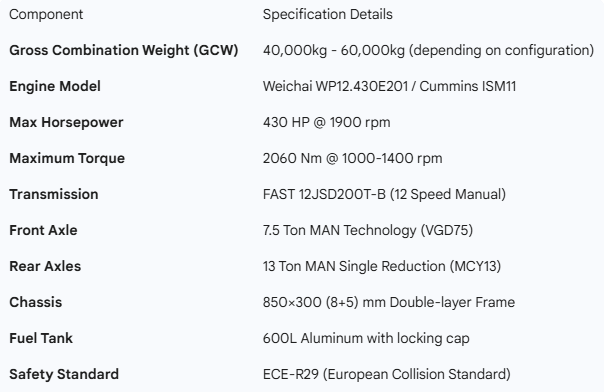
Let’s get into the nitty-gritty. If you’re a fleet manager, these are the numbers that matter most.
Typical H3000 6×4 Tractor Unit (2026 Model)
Operational Versatility: One Platform, Many Faces
One of the H3000’s greatest strengths is its modularity. SHACMAN has designed the chassis to be a “blank canvas” for various industries.
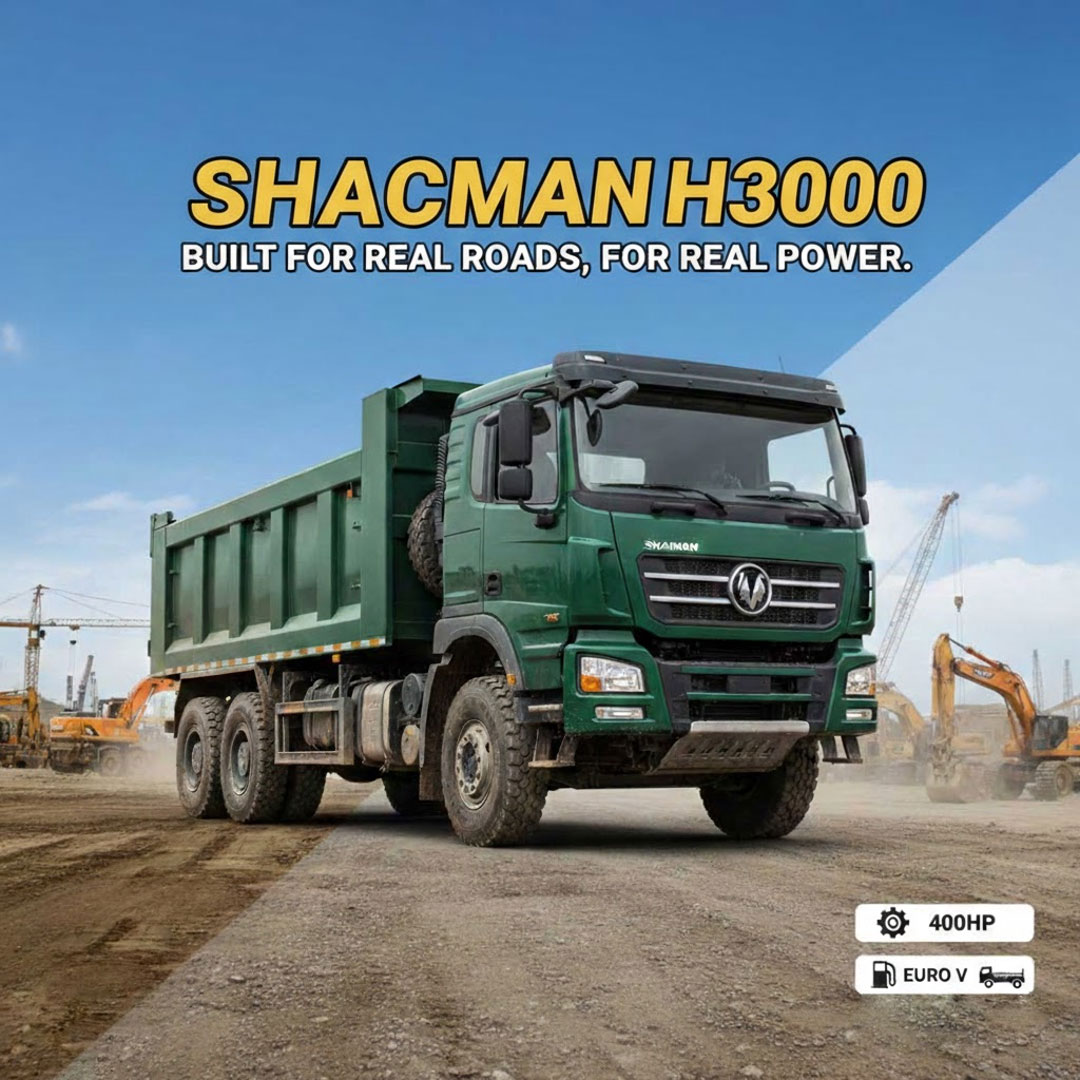
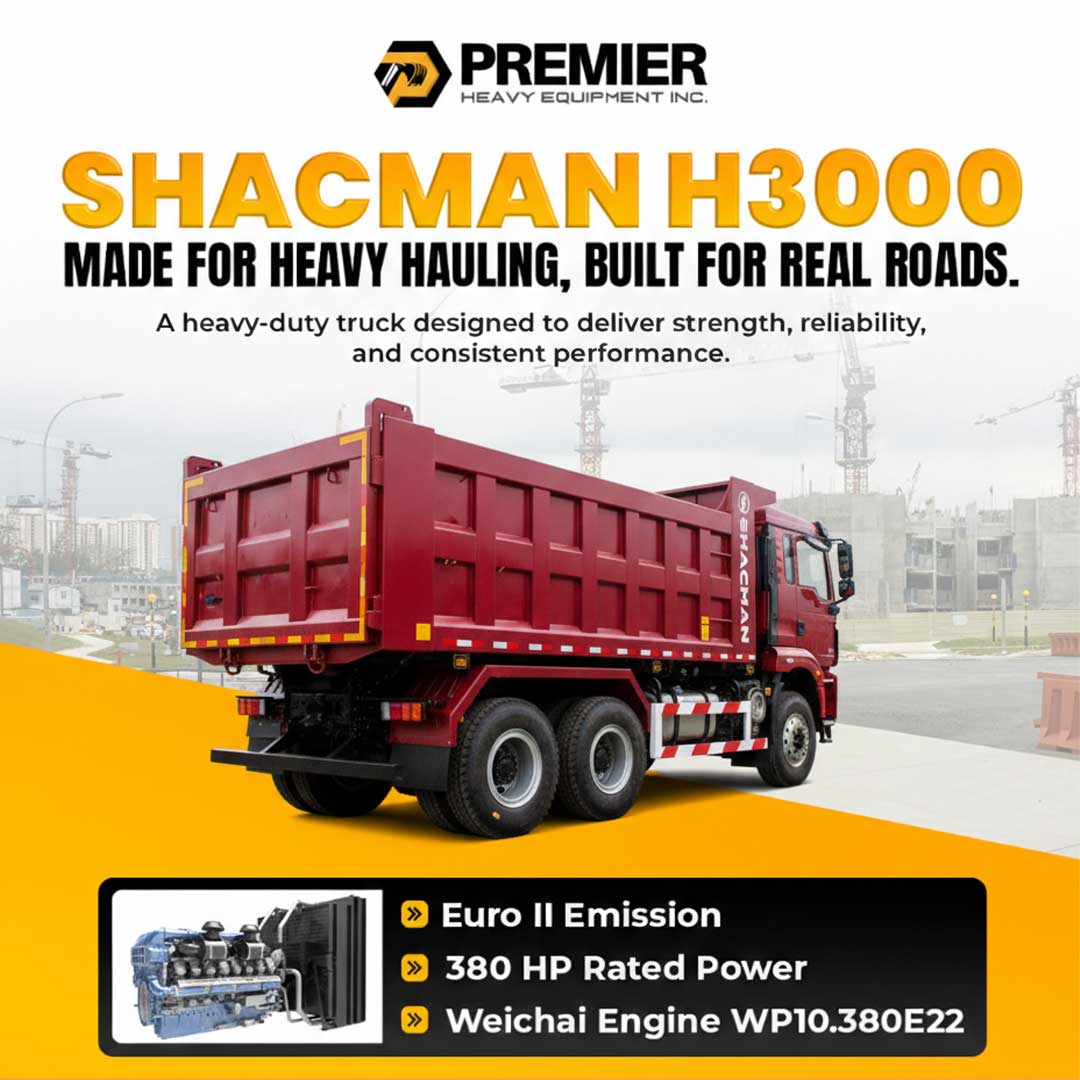
The H3000 Tipper (Dump Truck)
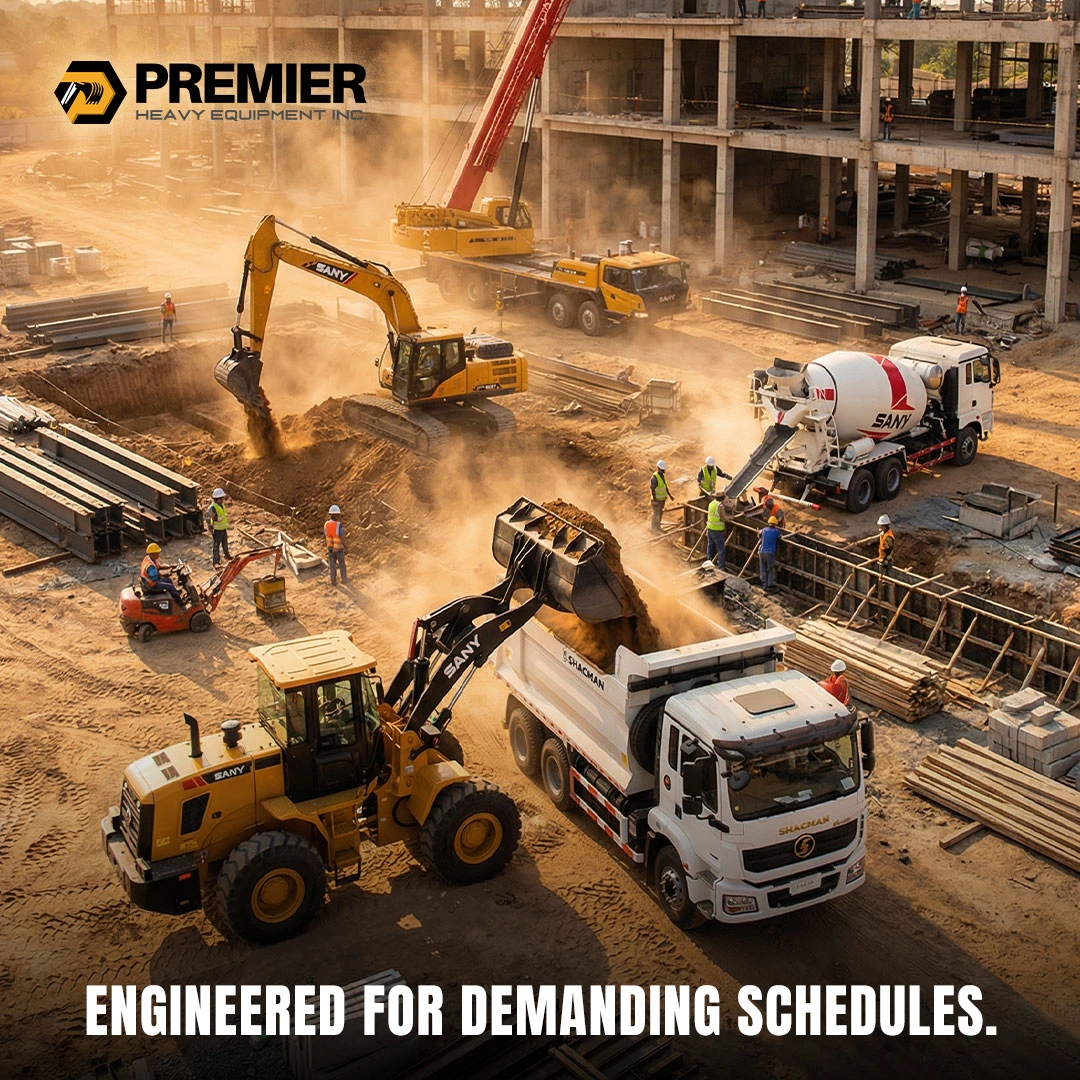
In construction and mining, the H3000 tipper is a common sight. It usually features a shorter wheelbase for better maneuverability in tight quarries and a reinforced suspension system to handle the sudden “impact loads” of being filled by a large excavator.
The H3000 Tractor Head
For long-distance logistics, the tractor version focuses on aerodynamics and fuel efficiency. It often includes side skirts and a roof deflector to streamline the airflow over the trailer, which can save up to 5% in fuel over long distances.
Specialized Applications
We’re also seeing the H3000 being used more frequently for:
Concrete Mixers: 8-12 cubic meter capacities.
Water/Fuel Tankers: With specialized baffles to prevent liquid surge during braking.
Garbage Compactors: Built for the stop-start nature of municipal work.
The Driver Experience: It’s What’s Inside That Counts
Let’s be honest: no one wants to drive a “clunker” for 12 hours a day. Driver retention is a massive issue in 2026, and a comfortable truck is one of the best ways to keep your best operators happy.
The “Floating” Cabin
The H3000 cabin features a four-point hydraulic suspension system. This means the cab is essentially “floating” on the chassis. When the truck hits a pothole, the chassis takes the hit, but the hydraulic system absorbs the shock before it ever reaches the driver’s seat.
Ergonomics and Visibility
The dashboard is intuitive. You don’t need a PhD in engineering to understand the instrument cluster. Everything is labeled clearly, and the most-used switches (like the exhaust brake or differential locks) are positioned right at your fingertips.
The Sleeper Bunk: It’s wide enough to actually sleep in, with high-density foam that doesn’t go flat after a month.
HVAC System: The air conditioning in the H3000 is legendary. It’s designed for extreme climates, meaning it can turn a 40°C day into a comfortable 22°C oasis in minutes.
Fuel Efficiency: Truth vs. Fiction
“How much fuel does it burn?” is the first question every buyer asks.
In real-world testing (fully loaded, mixed terrain), the H3000 6×4 tractor typically averages between 30L and 35L per 100km.
Factors that improve H3000 Efficiency:
The “Green Zone” Driving: The Weichai engines are most efficient when kept between $1100$ and $1300$ RPM. SHACMAN’s digital dash includes a “fuel economy coach” that helps drivers stay in this window.
Lightweight Components: With an aluminum fuel tank, aluminum air reservoirs, and an optional aluminum alloy wheels, the truck’s tare weight is minimized.
Low Rolling Resistance Tires: Standard 12.00R20 or 315/80R22.5 tires are selected specifically for a balance of grip and low friction.
Maintenance & Longevity: The 1-Million Kilometer Goal
A SHACMAN H3000 is designed to reach 1,000,000 kilometers before a major engine overhaul, provided you follow a strict Preventive Maintenance (PM) schedule.
Recommended 2026 Maintenance Schedule:
Daily: Check engine oil, coolant levels, and drain the water-separator in the fuel line.
Every 10,000km: Change engine oil and filters (standard conditions). If operating in high-dust (mining) areas, reduce this to 7,500km.
Every 30,000km: Inspect the FAST gearbox oil and Hande axle gear oil. Check all U-bolts on the suspension.
Every 50,000km: Full cooling system flush and hub bearing inspection.
Pro Tip: Always use genuine SHACMAN filters. “Will-fit” filters from unverified sources often have lower filtration efficiency, which can lead to premature fuel injector failure—a very expensive mistake to make.
Safety: Protecting Your Most Valuable Asset
The H3000 isn’t just a heavy lifter; it’s a bodyguard. The cabin is constructed from high-strength steel and has passed the ECE-R29 crash test. This test simulates a rollover and a heavy frontal impact, ensuring that the driver’s “survival space” remains intact.
Braking Systems
WABCO Valves: The H3000 uses high-end WABCO air valves for the braking system, ensuring consistent pressure and fast response times.
ABS (Anti-lock Braking System): Essential for maintaining steering control during emergency braking on wet or slippery roads.
Engine Braking: The Weichai WEVB (Exhaust Valve Brake) system is standard. It uses the engine’s own compression to slow the vehicle, saving your service brakes for when you really need them and preventing “brake fade” on long descents.
SHACMAN H3000 vs. Sinotruk HOWO: The Comparison
The most common comparison in the market is between SHACMAN and Sinotruk. While both are excellent Chinese manufacturers, there are key differences:
-
Chassis Feel: SHACMAN (thanks to MAN tech) generally has a more rigid, “European-style” chassis feel compared to the older HOWO designs.
-
Driver Comfort: The H3000 cabin is often cited as having better NVH (Noise, Vibration, Harshness) levels than the standard HOWO 7 series.
-
Reliability: In wet or slippery conditions, the H3000’s differential locks and axle weight distribution often provide superior traction.
Purchasing Guide: How to Order the Right H3000
Before you sign the check, make sure you are ordering the right configuration for your specific task. Don’t buy “too much truck,” but don’t under-spec either.
-
Define Your Terrain: If you’re doing highway hauling, go for Single Reduction Axles for better fuel economy. If you’re in the mountains or a mine, you must have Hub Reduction (Double Reduction) Axles.
-
Emission Standards: Check your local laws. In 2026, many regions are moving to Euro IV or Euro V. Ensure your engine choice is compliant to avoid registration issues.
-
Tire Choice: Radial tires (12.00R20) are standard for durability, but tubeless tires (315/80R22.5) are better for high-speed highway fuel efficiency.
Conclusion: The ROI Verdict
The SHACMAN H3000 is a masterclass in “practical engineering.” It doesn’t waste money on unnecessary gimmicks, but it invests heavily in the areas that matter: the drivetrain, the chassis, and driver safety.
In an era where operational costs are rising, the H3000 offers a lower entry price than European brands while delivering 80-90% of the performance and 100% of the ruggedness. If you want a truck that works as hard as you do, the H3000 is, and will remain, a top-tier choice for 2026.